Birds
Explore bird profiles, scientific names and habitats, with related birding and photography journeys to help plan your time in the field.
Results: 9
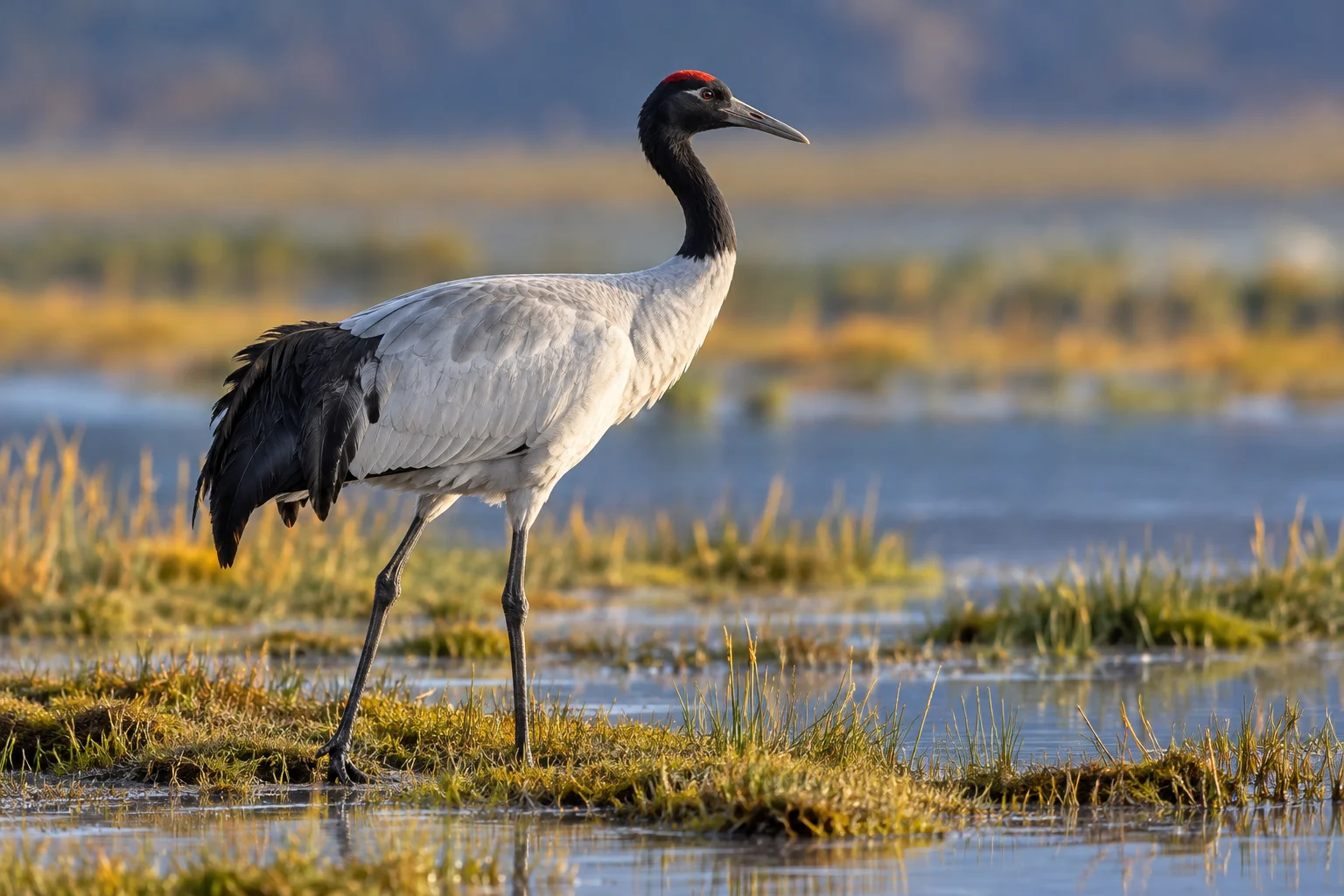
Black-necked Crane
A crane of plateau wetlands, with a dark neck contrasting against a pale body. Use longer focal lengths to observe distant activity without approaching nests or disturbing groups. Observation and photography Begin with permitted access and watch natural activity from a distance. Use environmental views to describe habitat without feeding, luring, crowding or following animals. Note time, light and distance without publishing precise sensitive locations. Field notes Keep confirmed observations separate from uncertain clues. Plans follow season, weather and access, without a promise of any particular sighting.
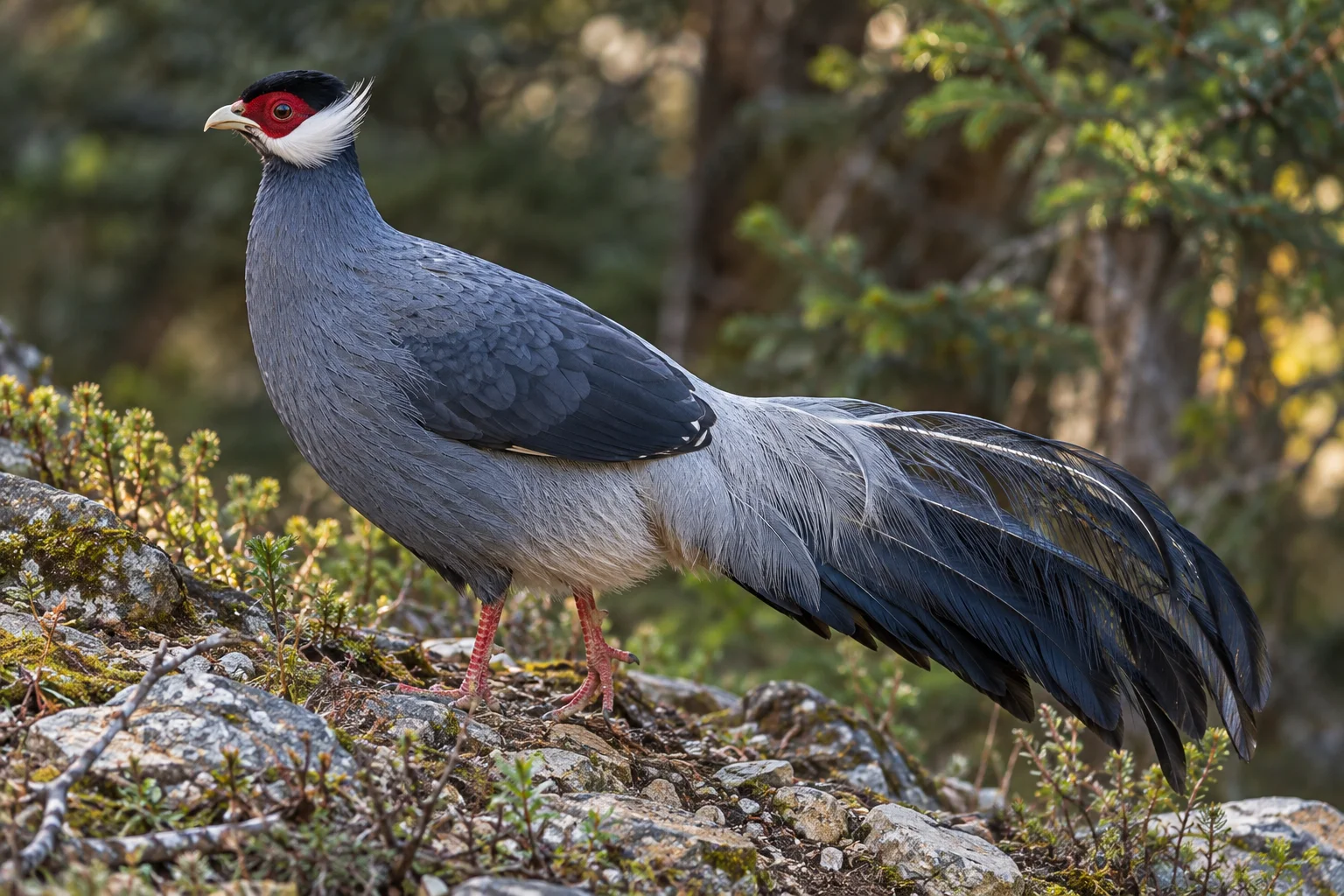
Blue Eared Pheasant
Blue-grey plumage and white ear tufts distinguish this pheasant. Work quietly and consider the relationship between birds, forest edges and slopes. Observation and photography Begin with permitted access and watch natural activity from a distance. Use environmental views to describe habitat without feeding, luring, crowding or following animals. Note time, light and distance without publishing precise sensitive locations. Field notes Keep confirmed observations separate from uncertain clues. Plans follow season, weather and access, without a promise of any particular sighting.
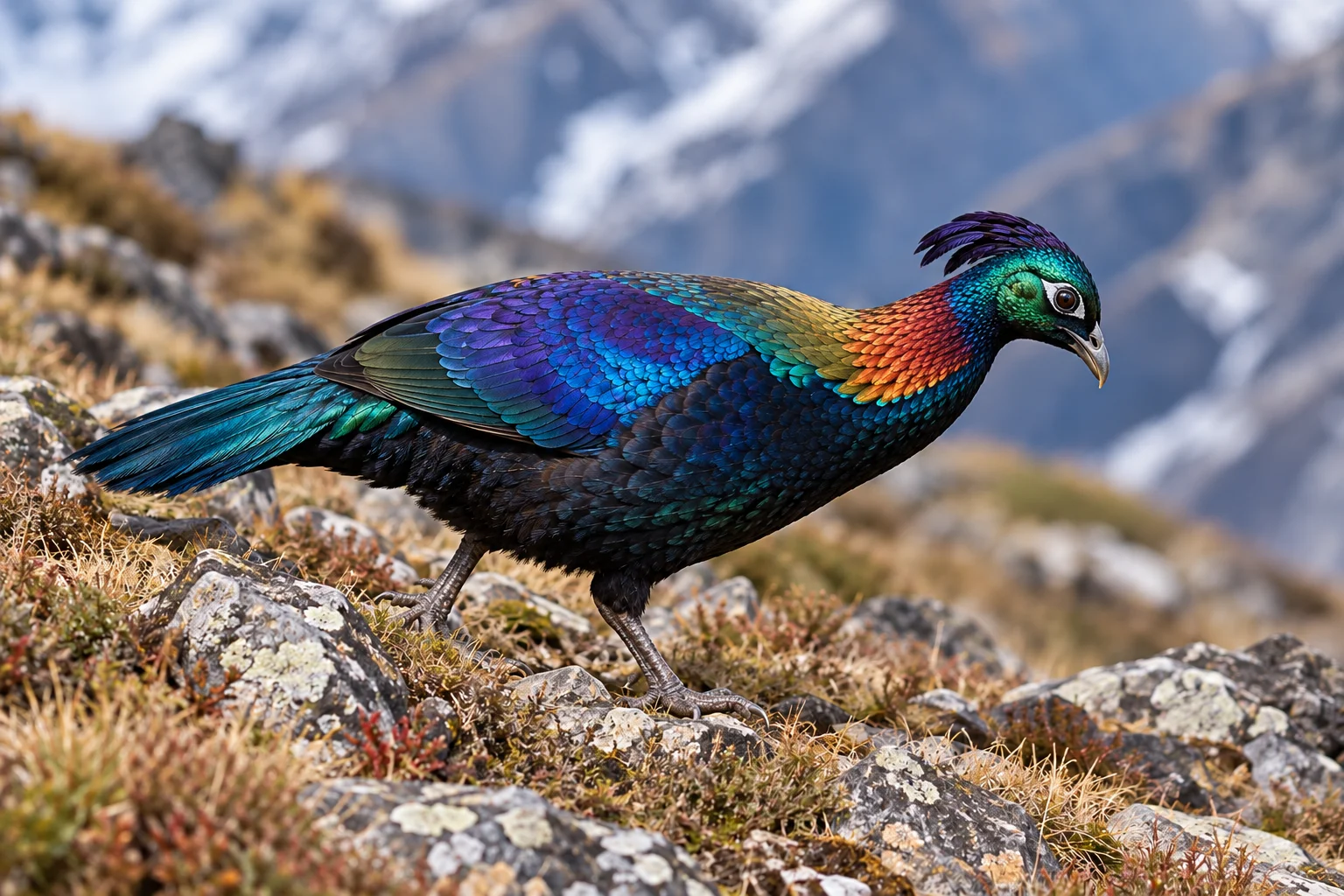
Chinese Monal
The male’s iridescent plumage changes with the light. Photograph colour alongside the alpine habitat while respecting wildlife space and local access requirements. Observation and photography Begin with permitted access and watch natural activity from a distance. Use environmental views to describe habitat without feeding, luring, crowding or following animals. Note time, light and distance without publishing precise sensitive locations. Field notes Keep confirmed observations separate from uncertain clues. Plans follow season, weather and access, without a promise of any particular sighting.
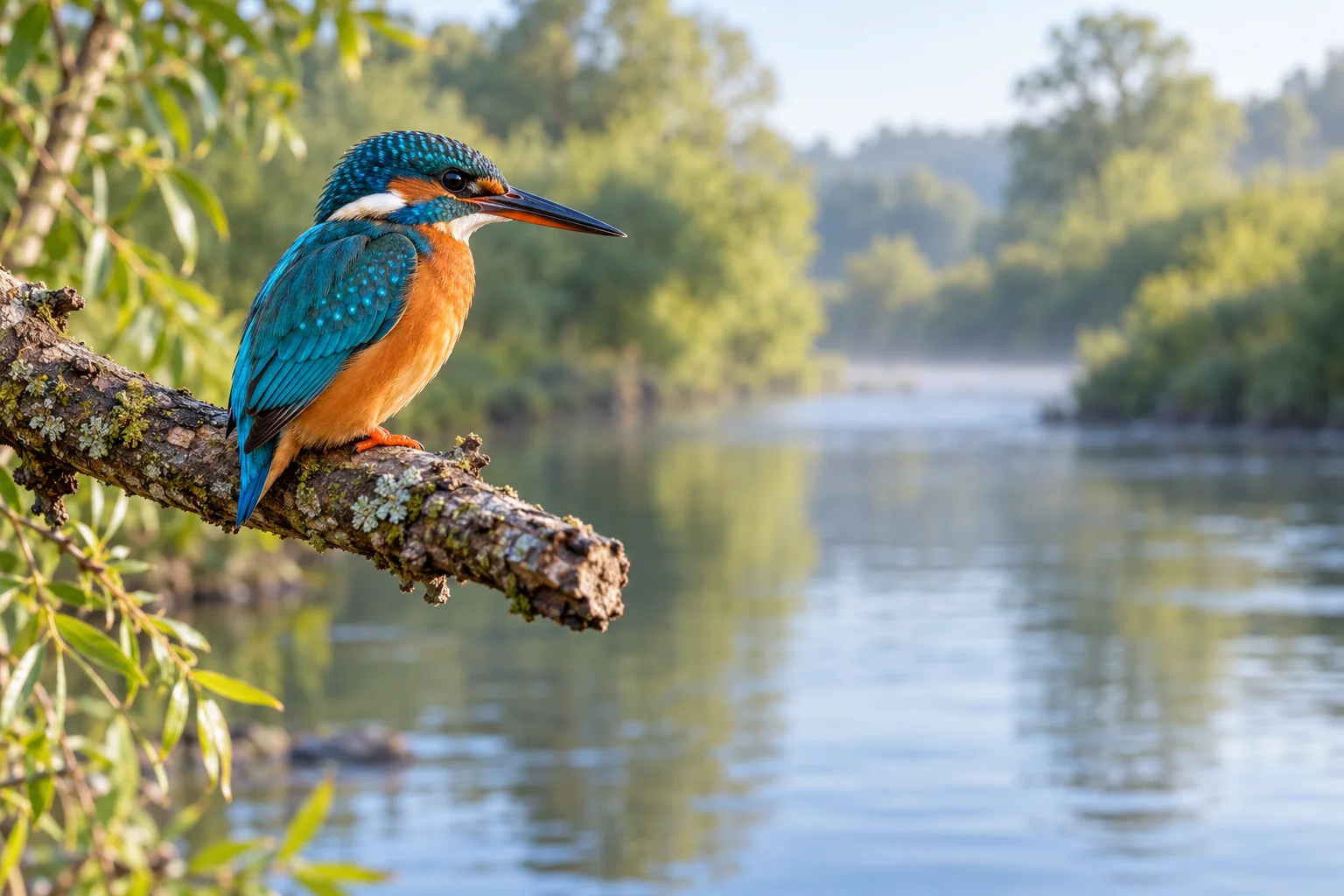
Common Kingfisher
Turquoise-blue upperparts and an orange underside form a striking contrast. Waterside branches and reflections provide a clear environmental setting; begin from a safe, permitted shoreline position. Keep a distance that leaves activity undisturbed and notice the space between perch and background. Wider photographs can describe streams and bankside vegetation, while simpler frames follow colour and posture. Do not bait, rearrange perches or approach nests. When an encounter does not happen, light on water and habitat details still reward patient observation.
Golden-breasted Fulvetta
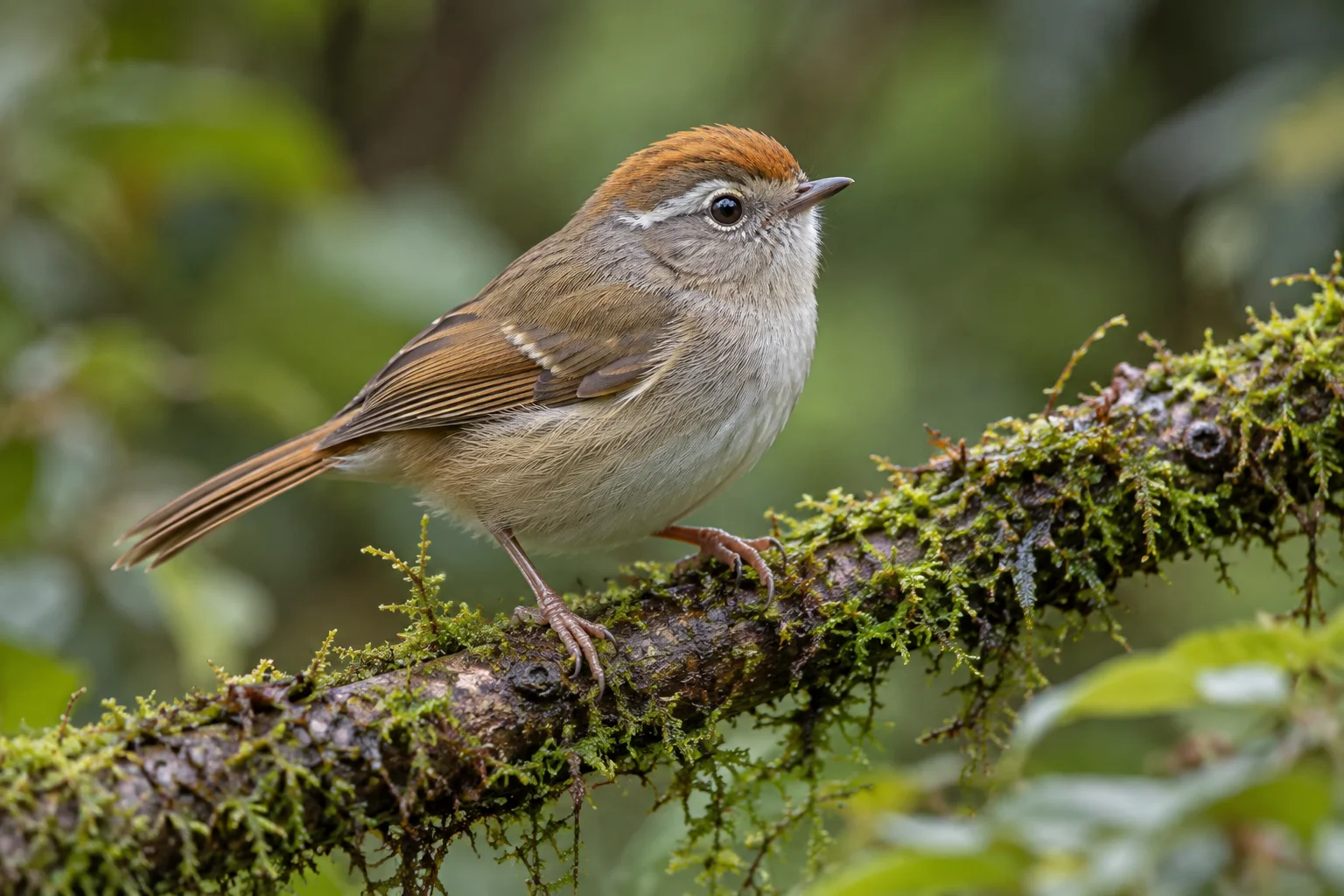
The golden breast of this small forest bird brings colour to the understory. Include layers of foliage in compositions and observe quietly from permitted trails. Observation and photography Begin with permitted access and watch natural activity from a distance. Use environmental views to describe habitat without feeding, luring, crowding or following animals. Note time, light and distance without publishing precise sensitive locations. Field notes Keep confirmed observations separate from uncertain clues. Plans follow season, weather and access, without a promise of any particular sighting.
Little Egret
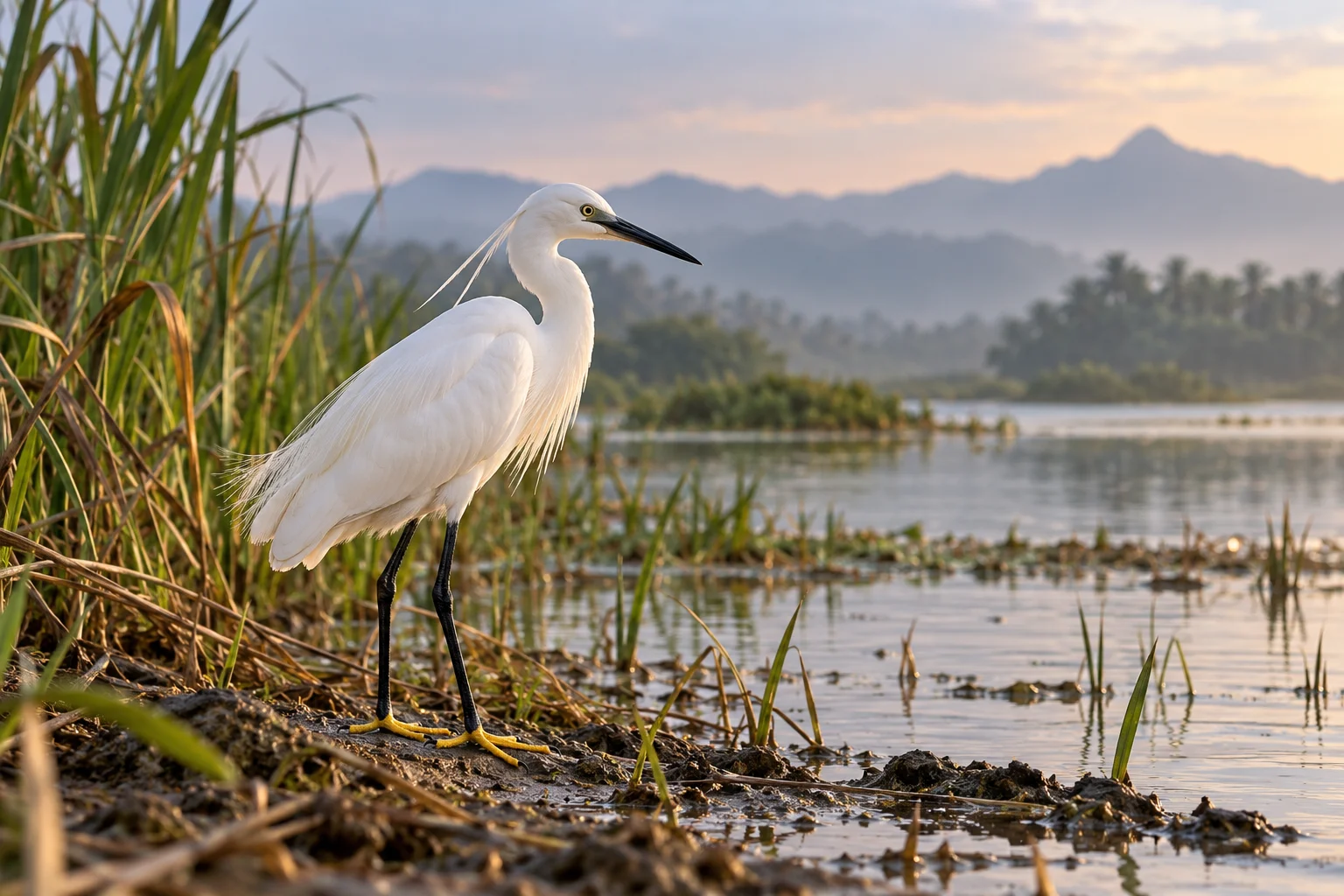
White plumage, a slender black bill and distinctive yellow toes are useful features to notice on a little egret. Shorelines, shallows and wetland reflections give the bird a wider setting. Observe its direction of movement from a distance and choose a position that does not interrupt feeding. Record the habitat before framing the relationship between plumage and water more closely. Do not chase birds to provoke flight. Side light in quieter hours can reveal texture in white feathers. Check bright tones while respecting local access conditions.
Père David’s Owl
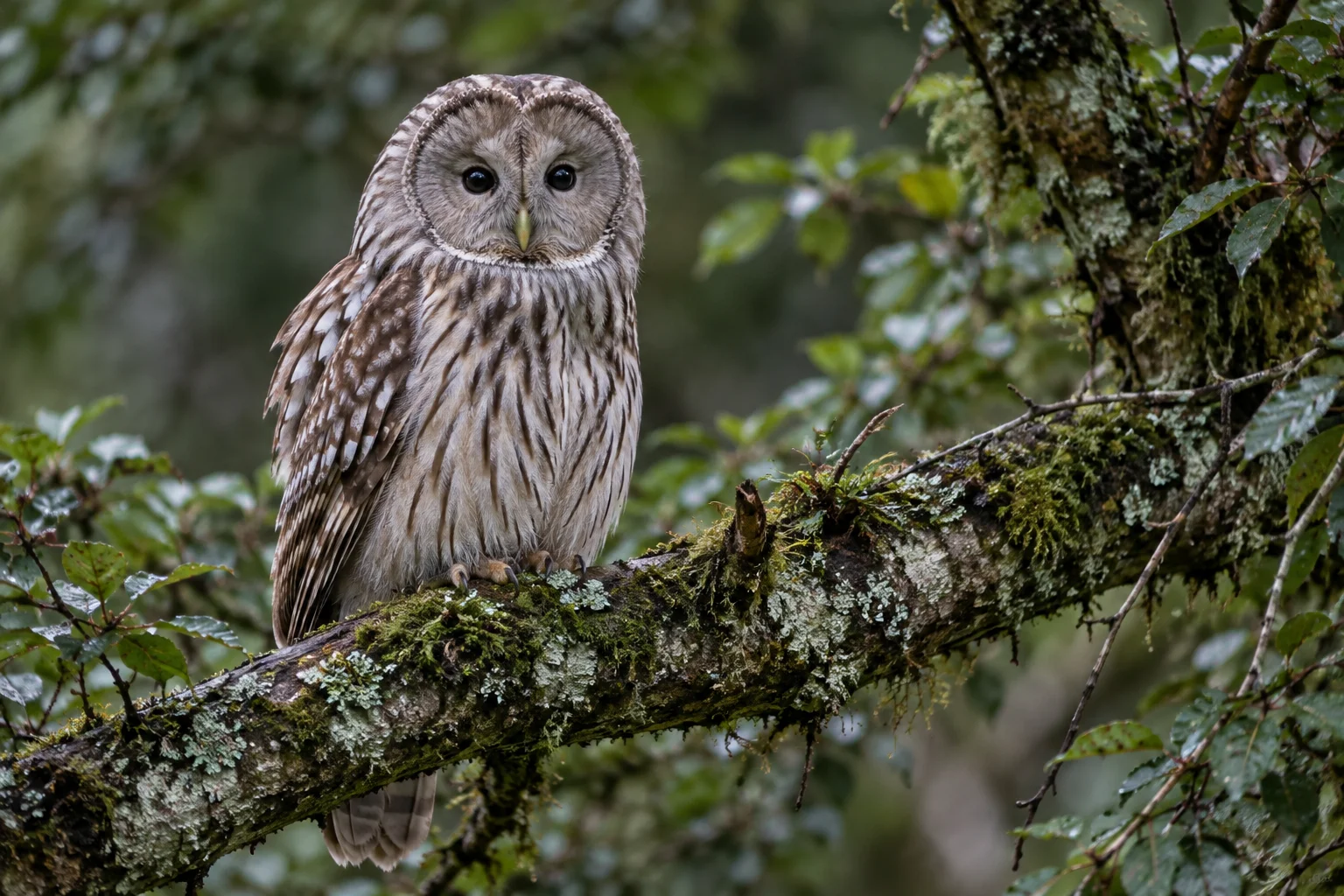
Owl observation should minimise noise and bright light, especially around resting birds. Photography depends on distance and permitted access, without promising an encounter. Observation and photography Begin with permitted access and watch natural activity from a distance. Use environmental views to describe habitat without feeding, luring, crowding or following animals. Note time, light and distance without publishing precise sensitive locations. Field notes Keep confirmed observations separate from uncertain clues. Plans follow season, weather and access, without a promise of any particular sighting.
Temminck’s Tragopan
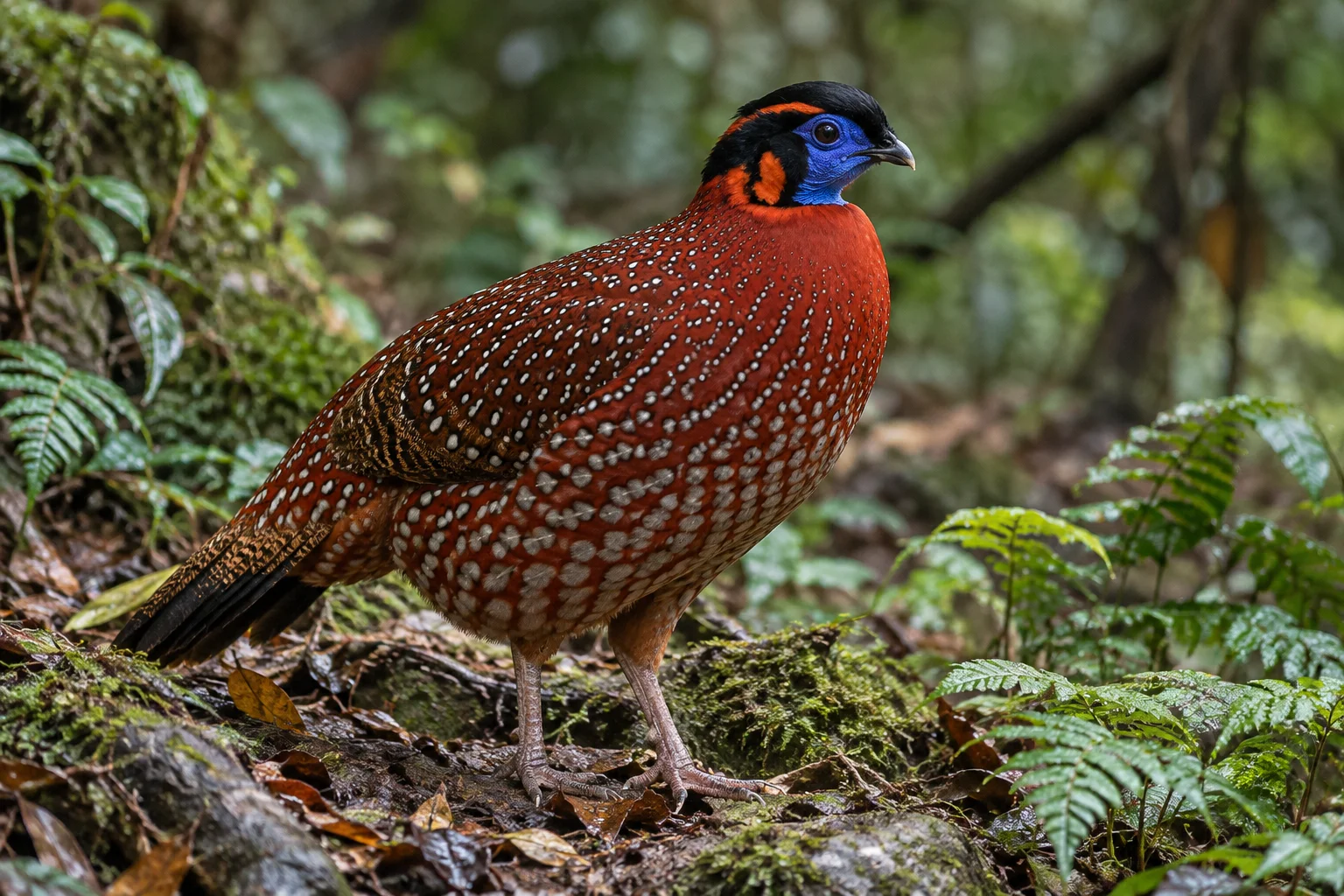
The male has striking red plumage and spotted markings. Understory light rewards patience with natural behaviour; avoid luring birds to obtain photographs. Observation and photography Begin with permitted access and watch natural activity from a distance. Use environmental views to describe habitat without feeding, luring, crowding or following animals. Note time, light and distance without publishing precise sensitive locations. Field notes Keep confirmed observations separate from uncertain clues. Plans follow season, weather and access, without a promise of any particular sighting.
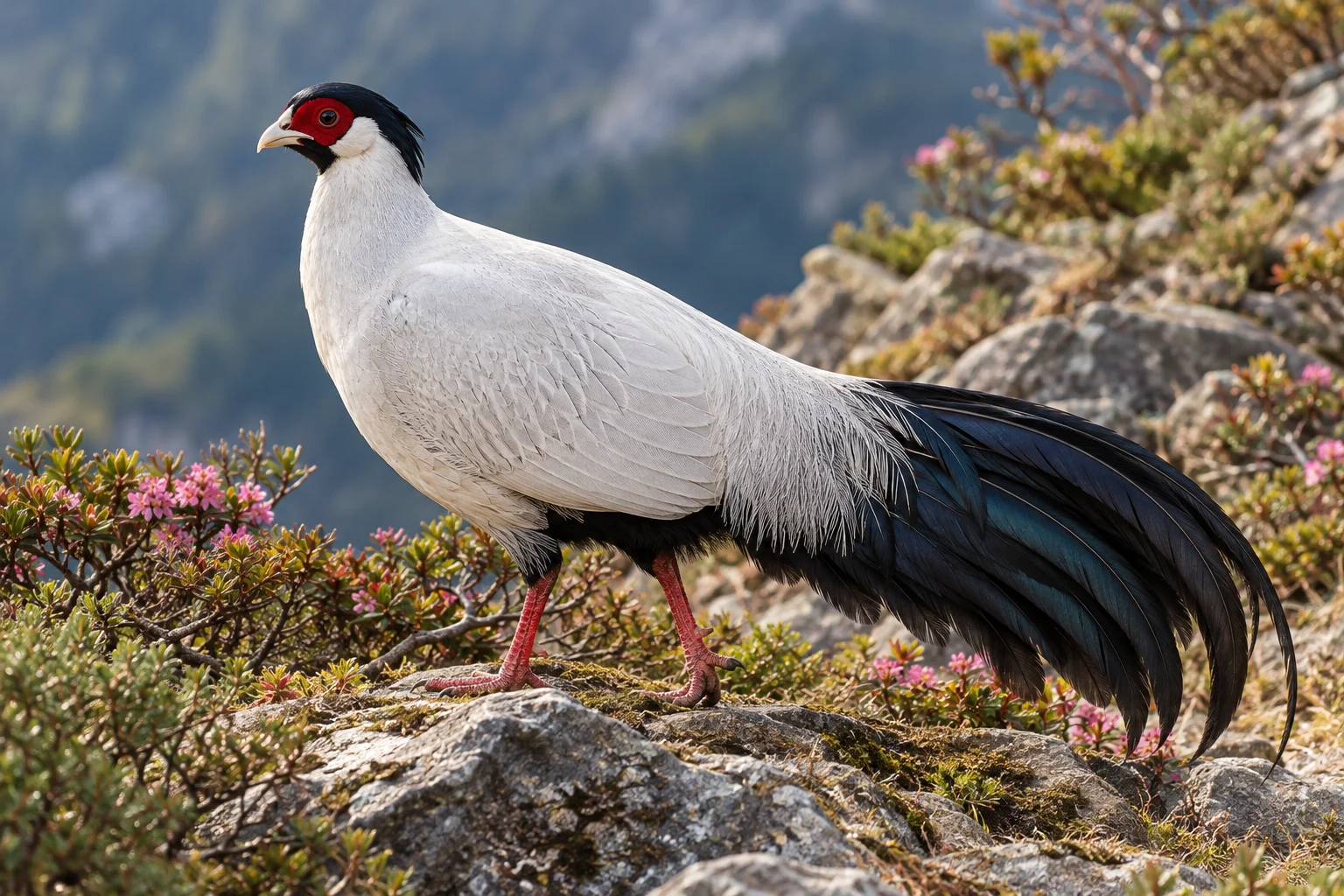
White Eared Pheasant
A pheasant with contrasting white body plumage and a dark head. Distant observation helps record behaviour within the mountain landscape without interrupting feeding. Observation and photography Begin with permitted access and watch natural activity from a distance. Use environmental views to describe habitat without feeding, luring, crowding or following animals. Note time, light and distance without publishing precise sensitive locations. Field notes Keep confirmed observations separate from uncertain clues. Plans follow season, weather and access, without a promise of any particular sighting.